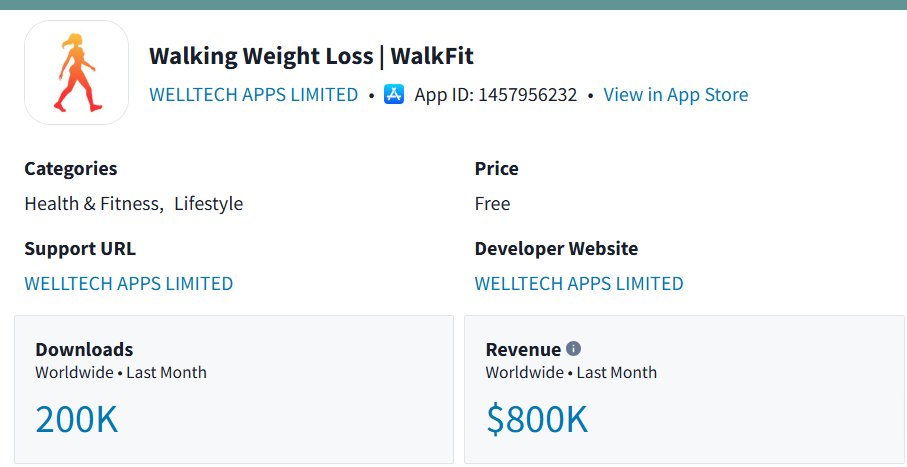
WalkFit looks like a simple step counter.
But behind the scenes, it’s engineered for ruthless monetization.
Here’s how they scaled it into an $800K/month beast:
Onboarding That Feels Like a Diagnostic
The signup flow isn’t short or slick – it’s intentionally long.
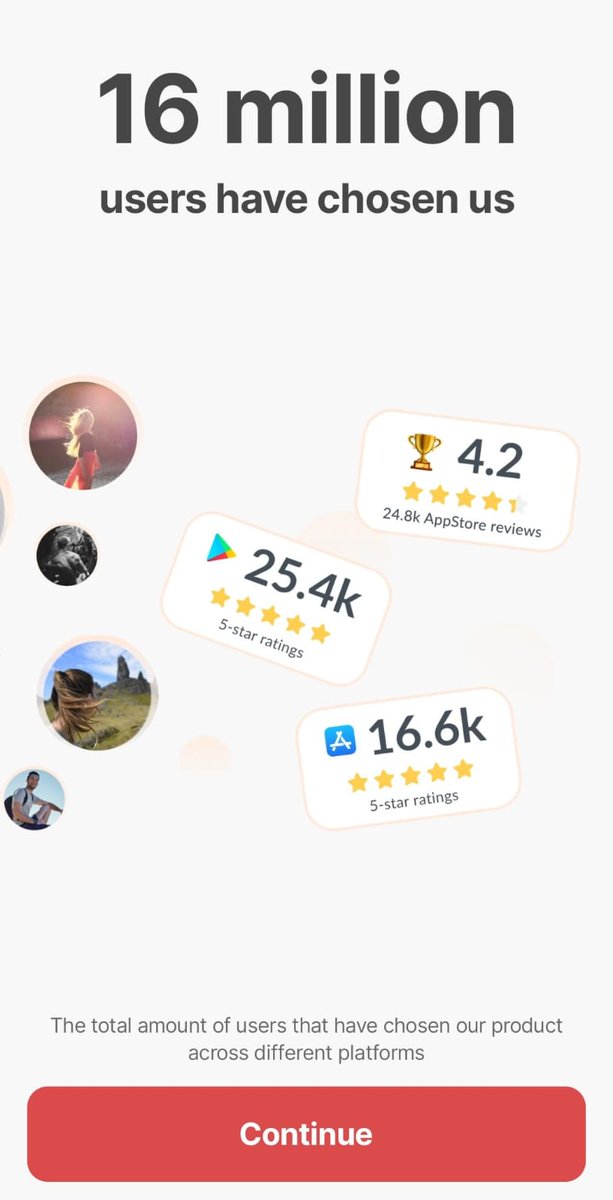
Heavy social proof upfront
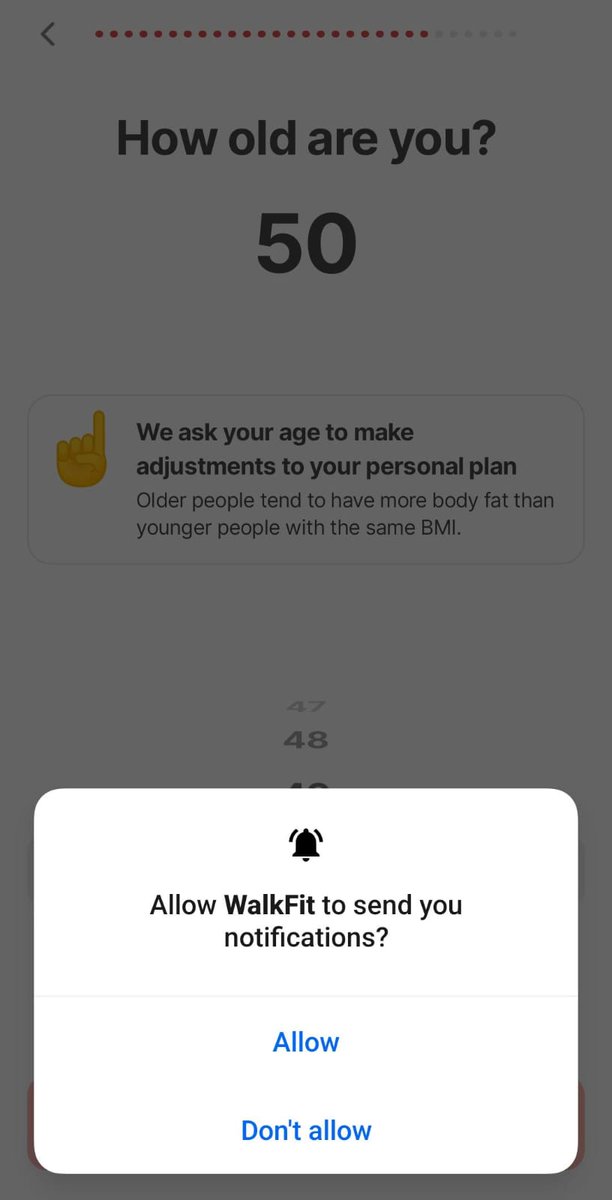
Asks for age, gender, sleep, water intake, and weight goals
Push notifications requested without much context
By the end, users feel invested. The app feels more like a health assessment than a download.
A Ruthless Paywall
The paywall shows up fast – and it doesn’t play nice.
No free value upfront
Three plans pushed immediately
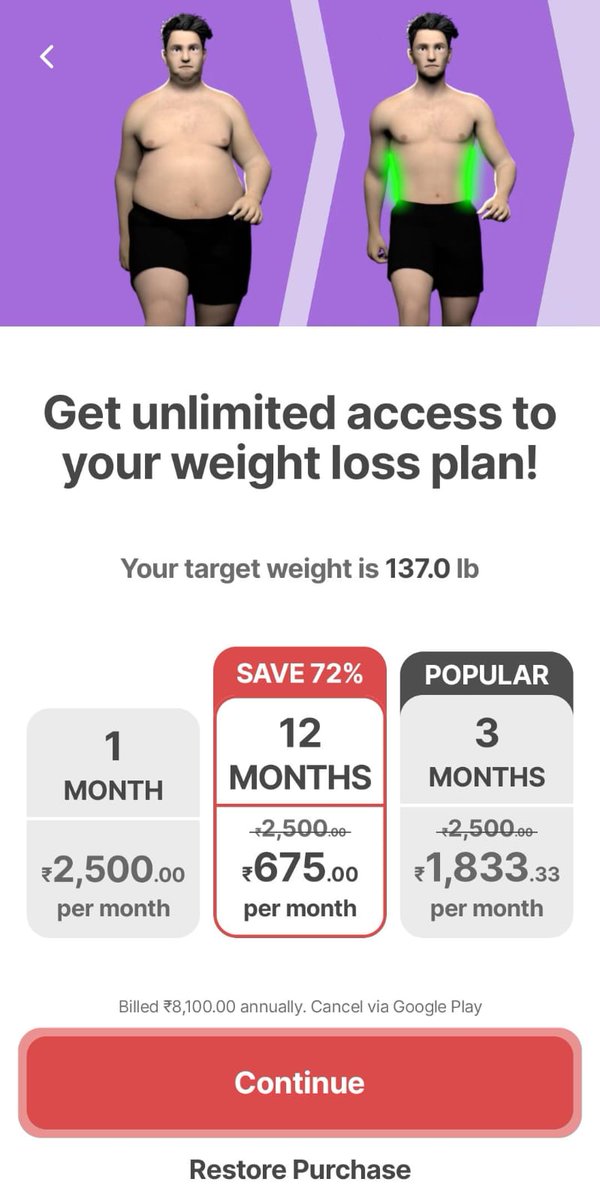
Closing it doesn’t lead to any real escape
You either subscribe right away, or you’re out.
Fortress ASO
WalkFit ranks in the Top 3 for ~500 keywords.
Not just vanity phrases – high-intent ones like:
“walking weight loss”
“free walking app for weight loss”
“loss weight workout walking”
That keyword fortress fuels a steady stream of organic installs.
Paid Ads at Scale
On Apple Search Ads, WalkFit bids on 3,200+ keywords, conquesting competitors like Fitbit, Weight Watchers, and running apps.
But that’s just the start. Their parent company runs ads like a factory:
~18,000 TikTok ads (multiple apps)
~20,000 Google ads
~320 Facebook ads, leaning web-to-app funnels to dodge Apple’s 30% cut
Printing Cash, Not Testing
When you flood every ad platform at this scale, you’re not “experimenting.”
You’re printing money.
They likely spend $1 on ads to make $1.20 back- then renewals stack on top.
It takes thousands of ad tests to get here, but once it works, the machine runs itself.
WalkFit’s Playbook
Long, data-heavy onboarding
A ruthless paywall
ASA + organic domination
Paid ads at industrial scale
WalkFit didn’t get lucky.
They built a growth engine – and it’s running at full throttle.